
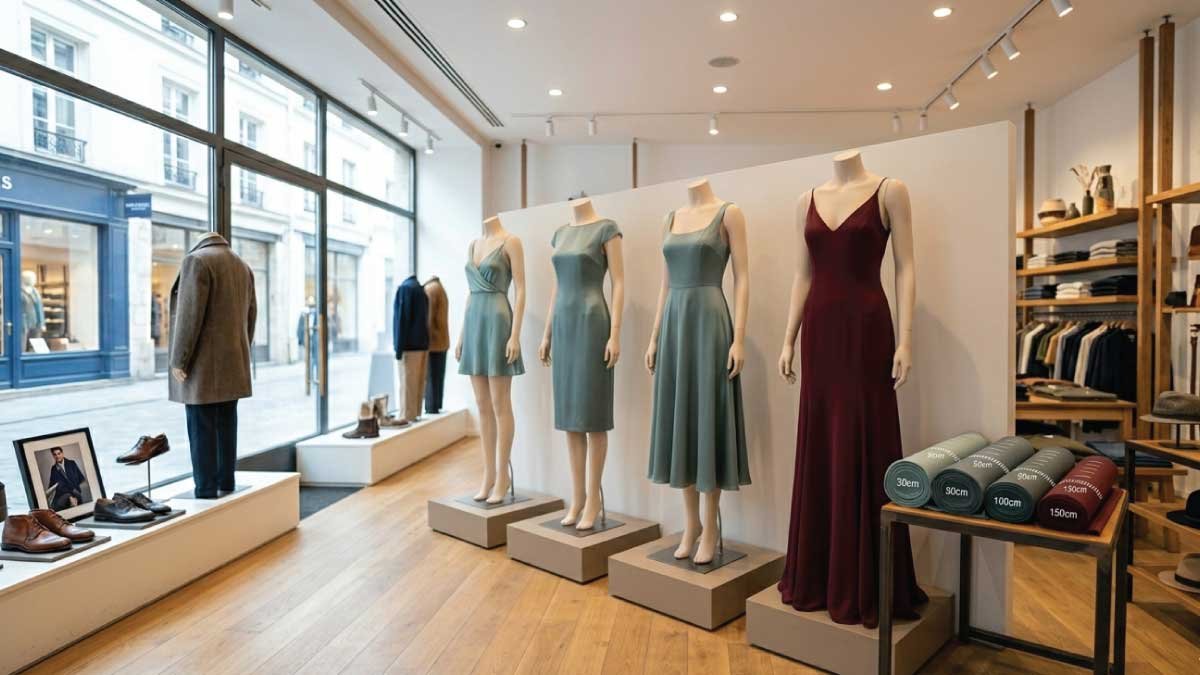
Choosing the perfect dress isn’t just about the color, fabric, or design—it’s also about the length. The wrong length can throw off your proportions, make an outfit look awkward, or even affect comfort.
That’s where a dress length chart comes in handy. Whether you’re shopping online or in-store, knowing dress lengths helps you pick styles that flatter your body, suit your occasion, and make you feel confident.
In this guide, we will break down all the standard dress lengths, offer tips for choosing the right one for your body type, and provide a handy dress length chart for reference.
Why Understand Dress Lengths Matters
Dress length is one of the most important factors in how your outfit looks and feels. Here’s why:
Flattering proportions: The right length enhances your silhouette.
Occasion suitability: Certain lengths are better for casual, formal, or work events.
Comfort: Too long or too short dresses can limit movement or feel awkward.
Online shopping: A dress length chart helps you avoid guesswork and returns.
By understanding dress lengths and consulting a proper chart, you can shop smarter and always choose the right style for your body and event.
How to Measure for Dress Length
Before using a dress length chart, you need a few basic measurements. Here’s how:
Bust: Measure around the fullest part of your chest.
Waist: Measure around your natural waistline, usually just above the belly button.
Hips: Measure the fullest part of your hips.
Shoulder to Hem: This is crucial for dress length. Measure from the top of your shoulder down to where you want the dress to end.
💡 Tip: Stand straight but relaxed when measuring, and use a soft measuring tape for accuracy. Always measure twice to ensure precision.
Standard Dress Lengths
Dress lengths are typically categorized into six main types. Each style suits different occasions and body types.
1. Mini Dress
- Length: Approximately 30–34 inches from shoulder to hem.
- Where it hits: Mid-thigh.
- Best for: Casual outings, parties, or summer events.
- Styling tips: Mini dresses pair well with boots or heels and look great on shorter and taller frames alike.
2. Above Knee Dress
- Length: 34–37 inches.
- Where it hits: Just above the knee.
- Best for: Office wear, casual brunches, or day events.
- Styling tips: Can be paired with blazers, cardigans, or statement belts for a polished look.
3. Knee-Length Dress
- Length: 37–41 inches.
- Where it hits: At the knee.
- Best for: Work, formal meetings, or weddings.
- Styling tips: Ideal for most body types, can be dressed up with heels or kept casual with flats.
4. Midi Dress
- Length: 41–48 inches.
- Where it hits: Mid-calf.
- Best for: Daytime events, casual outings, or semi-formal occasions.
- Styling tips: Great for layering with jackets or scarves. Pair with boots or strappy sandals.
5. Tea-Length Dress
- Length: 48–52 inches.
- Where it hits: Slightly above the ankle.
- Best for: Formal occasions, weddings, or evening events.
- Styling tips: Elegant, pairs well with heels. Perfect for vintage-inspired looks.
6. Maxi Dress
- Length: 52–60 inches or longer.
- Where it hits: Ankle to floor.
- Best for: Formal events, summer parties, or casual boho looks.
- Styling tips: Ideal for all body types. Pair with wedges or flats for comfort and style.
Dress Length Chart (Quick Reference)
| Dress Type | Length (inches) | Where it Hits | Best For |
|---|---|---|---|
| Mini | 30–34 | Mid-thigh | Casual, parties, summer |
| Above Knee | 34–37 | Just above knee | Office, casual outings |
| Knee-Length | 37–41 | At knee | Work, formal events, weddings |
| Midi | 41–48 | Mid-calf | Daytime, semi-formal events |
| Tea-Length | 48–52 | Slightly above ankle | Formal occasions, weddings |
| Maxi | 52–60+ | Ankle to floor | Evening events, boho casual |
Choosing the Right Dress Length for Your Body Type
While charts are helpful, body shape matters for flattering dress lengths.
1. Petite
- Best lengths: Above knee, knee-length, or midi.
- Why: Avoids overwhelming the frame. Mini dresses also elongate legs.
2. Tall
- Best lengths: Midi, tea-length, and maxi.
- Why: Shorter dresses can look disproportionate; longer lengths highlight height elegantly.
3. Hourglass
- Best lengths: Knee-length, midi, or fitted mini.
- Why: Accentuates curves while maintaining balance.
4. Apple Shape
- Best lengths: Knee-length or A-line midi.
- Why: Balances torso and highlights legs. Avoid extremely short minis.
5. Pear Shape
- Best lengths: A-line mini, above-knee, or midi.
- Why: Flowy skirts balance hips and create an elegant silhouette.
Dress Length for Different Occasions
Understanding the event type is crucial when picking a dress length:
Casual: Mini, above-knee, or midi dresses work best.
Office/Work: Knee-length or midi dresses are professional yet stylish.
Formal/Evening: Tea-length or maxi dresses provide elegance and grace.
Summer/Beach: Mini or midi dresses with light fabrics are comfortable and chic.
Weddings/Parties: Tea-length or maxi dresses often match formal etiquette and style.
Tips for Shopping Online Using a Dress Length Chart
Shopping online can be tricky without trying on a dress. Here’s how a dress length chart helps:
Measure Yourself First: Bust, waist, hips, and shoulder-to-hem length.
Check the Brand’s Chart: Sizes can vary, even if dress types are the same.
Consider Fabric Stretch: Fabrics like jersey or knit can allow slightly shorter or longer fits.
Look at Model Height: Many online stores provide model height and the size she’s wearing.
Read Reviews: Customer feedback often mentions length accuracy.
Dress Length Trends in Fashion
Fashion trends influence how dress lengths are worn:
Mini dresses: Popular in spring and summer collections.
Midi dresses: Trending for everyday workwear and casual brunch looks.
Maxi dresses: Timeless for evening wear and beach styles.
Tea-length dresses: Classic vintage-inspired weddings or retro styles.
💡 Tip: Trends shift, but knowing your ideal dress length keeps your wardrobe versatile and timeless.
Bonus Tips: Altering Dress Length
If you fall between sizes or lengths, consider minor adjustments:
Hem it up or down: Most dresses can be shortened for mini, above knee, or knee-length.
Layer strategically: Longer dresses can be paired with belts to shorten the look visually.
Consult a tailor: Minor adjustments for tea-length or midi dresses can improve fit dramatically.
Also Read:
Clothing Size Chart: The Ultimate Guide for Men, Women, and Kids
Final Thoughts
A dress length chart is an essential tool for anyone who wants to look stylish, feel comfortable, and avoid the frustration of guessing sizes. Knowing the different lengths, how they flatter your body type, and which occasions they suit ensures every dress in your wardrobe works perfectly.
By measuring accurately, understanding your body shape, and following the chart, you can shop confidently online or in-store. Whether it’s a casual mini, a professional knee-length, or an elegant maxi, your perfect dress is just a measurement away.
Remember: Dress length isn’t just about fashion—it’s about confidence, comfort, and personal style. Use this guide, keep your measurements handy, and let every outfit fit beautifully.