
In today’s fast-paced world, emotional stress, mental fatigue, and inner restlessness have become part of daily life. Many people search for peace outside themselves, through distractions, validation, or constant productivity, yet true healing begins within. Self-healing is not about avoiding pain, it is about understanding it, caring for yourself with intention, and allowing growth to happen naturally.
Self-healing practices help you reconnect with your mind, body, and emotions. They encourage self-awareness, emotional release, and long-term resilience. Whether you are healing from emotional wounds, burnout, anxiety, or simply seeking balance, these practices can support your journey toward a calmer and more fulfilling life.
Below are seven of the best self-healing practices that are simple, effective, and suitable for everyday life.
1. Mindful Breathing and Meditation
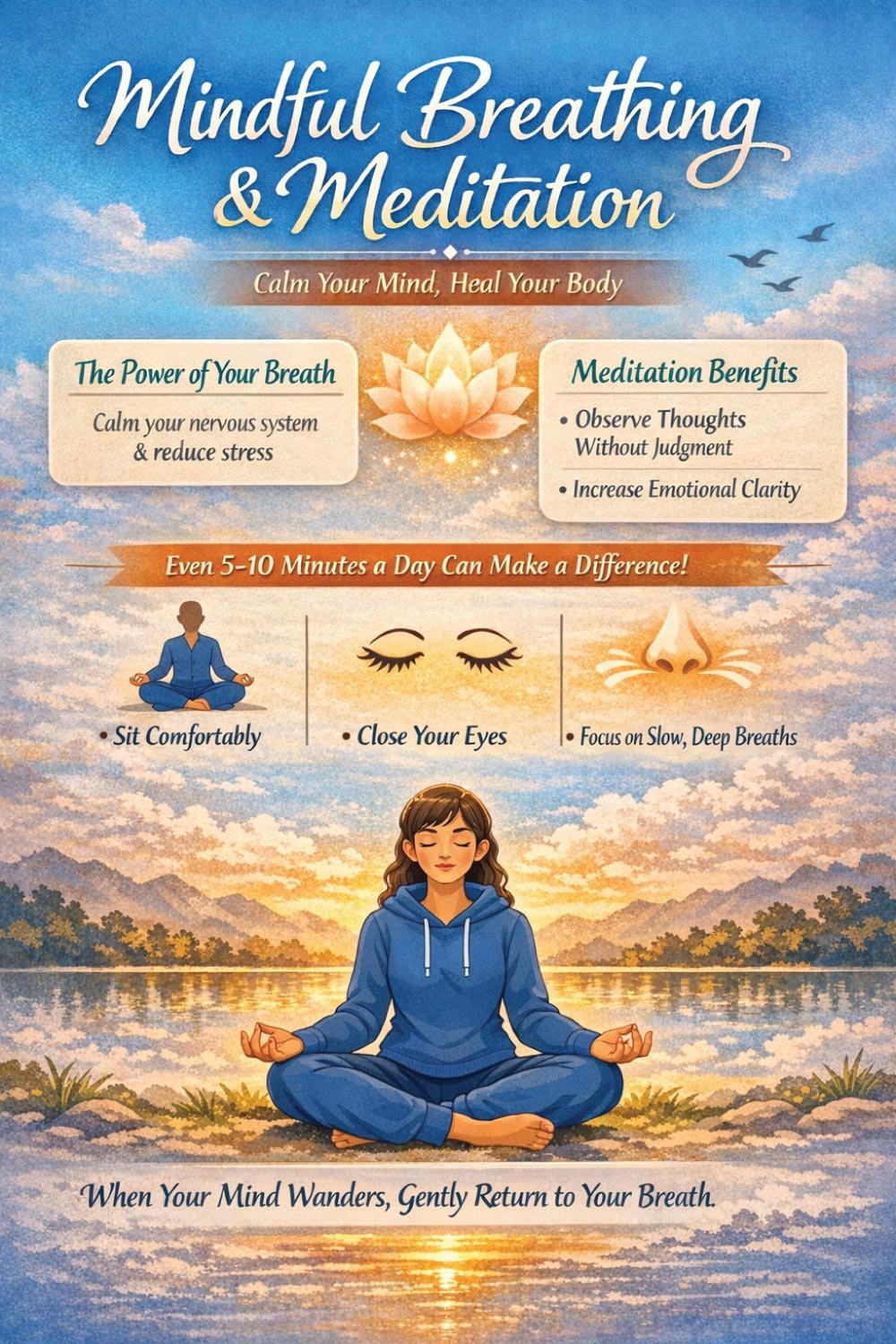
Mindful breathing is one of the most powerful self-healing tools, yet it is often overlooked because of its simplicity. When you focus on your breath, your nervous system begins to calm down, reducing stress and emotional overwhelm.
Meditation helps you observe your thoughts without judgment. Instead of fighting negative emotions, you learn to sit with them gently. Over time, this practice increases emotional awareness and mental clarity.
You do not need long sessions or special equipment. Even five to ten minutes a day can create noticeable change. Sit comfortably, close your eyes, and focus on slow, deep breathing. When your mind wanders, gently bring your attention back to your breath.
Benefits of mindful breathing and meditation:
- Reduces anxiety and stress
- Improves emotional regulation
- Enhances focus and self-awareness
- Supports inner calm and patience
Consistency matters more than duration. Daily practice gradually rewires the brain toward peace and balance.
2. Journaling for Emotional Release
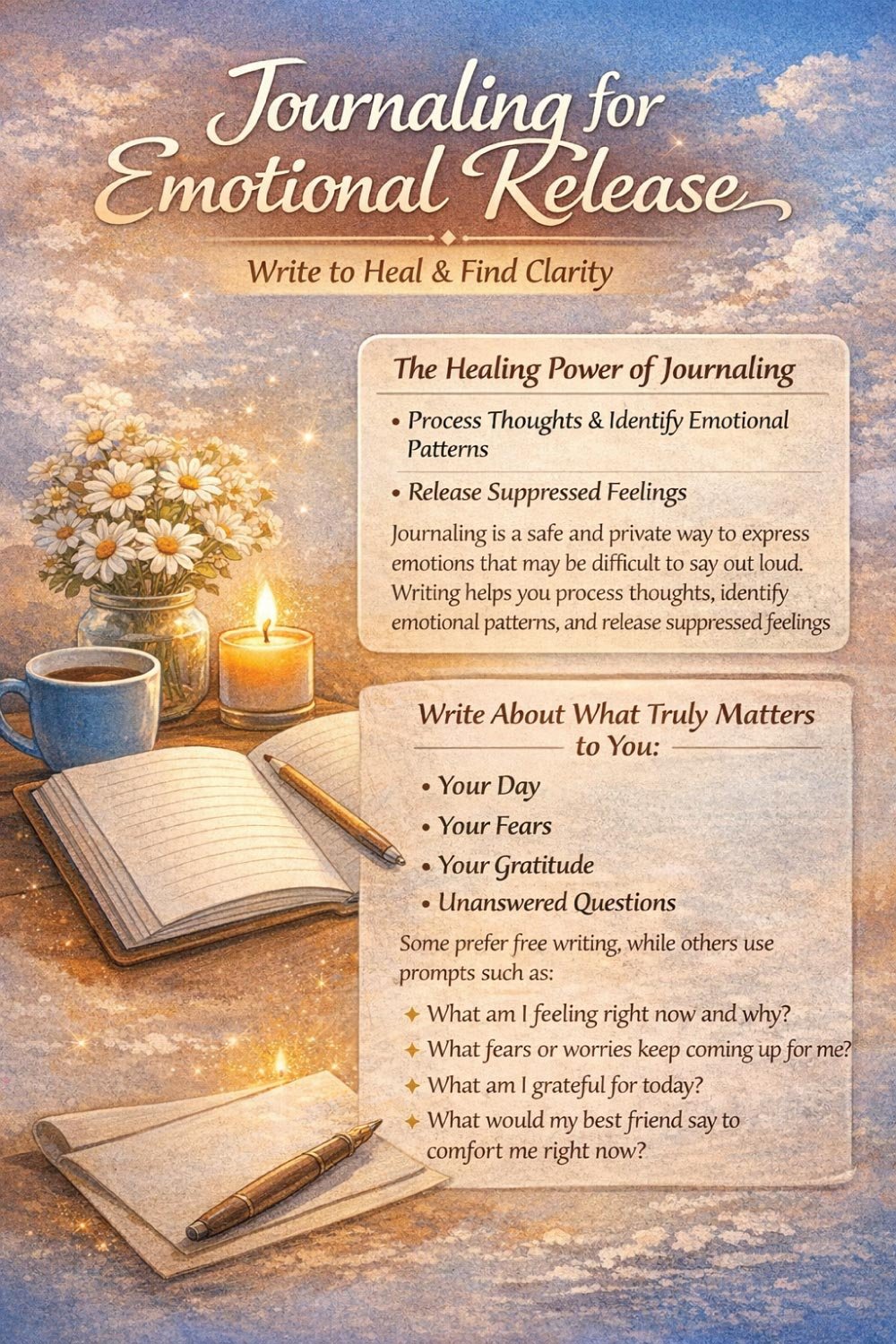
Journaling is a safe and private way to express emotions that may be difficult to say out loud. Writing helps you process thoughts, identify emotional patterns, and release suppressed feelings.
Many people carry emotional weight without realizing it. Journaling brings clarity by allowing emotions to surface naturally. You do not need perfect grammar or structure—honesty is what matters most.
You can write about your day, your fears, your gratitude, or unanswered questions. Some people prefer free writing, while others use prompts such as:
- What am I feeling right now?
- What is causing me stress?
- What do I need to let go of?
Over time, journaling becomes a form of emotional self-care. It helps you understand yourself better and encourages self-compassion.
Why journaling supports self-healing:
- Releases emotional tension
- Helps process trauma and grief
- Improves mental clarity
- Builds self-awareness and acceptance
Even a few minutes a day can make a meaningful difference.
3. Connecting with Nature
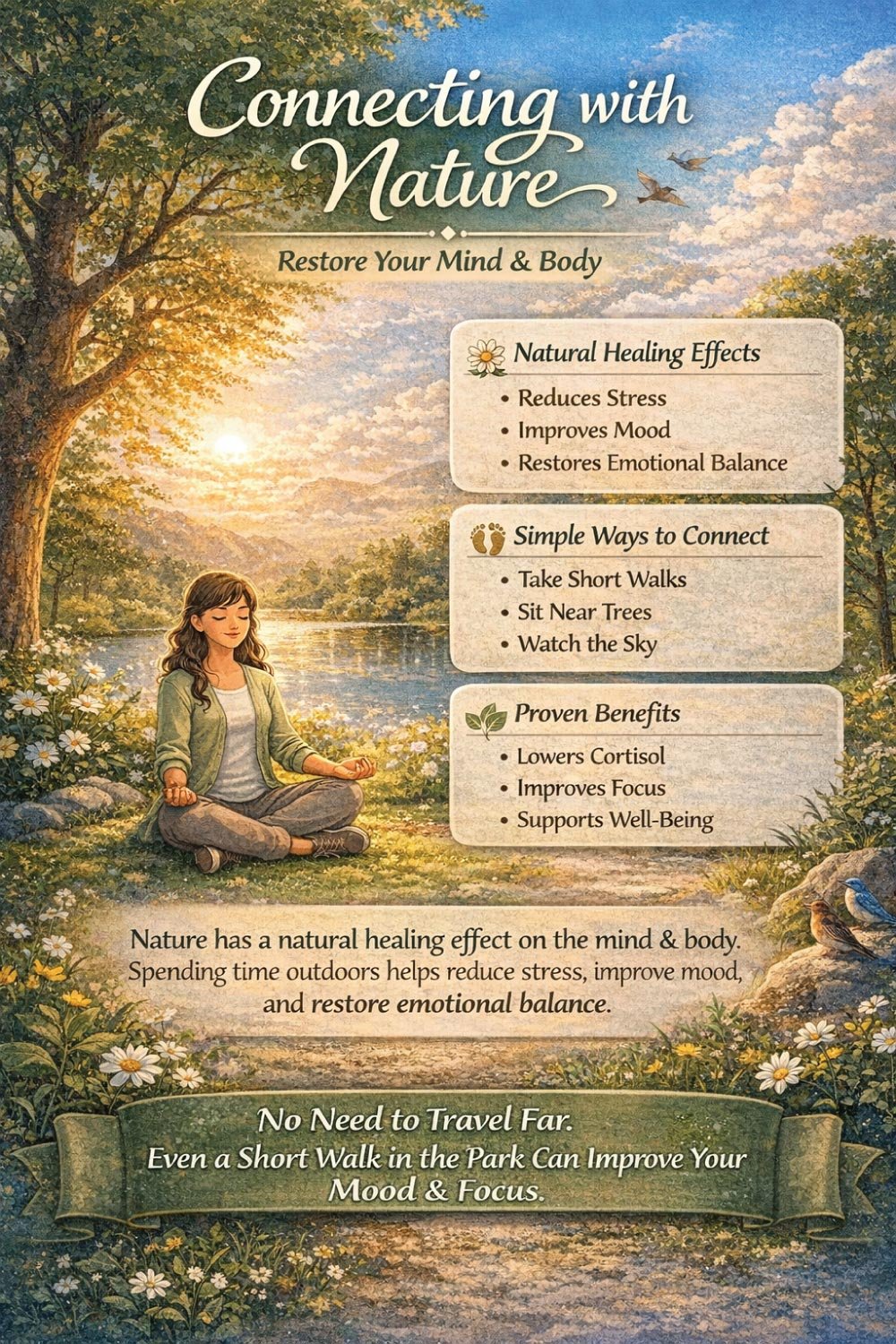
Nature has a natural healing effect on the human mind and body. Spending time outdoors helps reduce stress, improve mood, and restore emotional balance. The sounds of birds, the feeling of fresh air, and the sight of greenery calm the nervous system.
You do not need to travel far or spend hours outside. A short walk in a park, sitting near trees, or watching the sky can be deeply grounding. Nature reminds us to slow down and reconnect with the present moment.
Research shows that regular exposure to nature lowers cortisol levels, improves focus, and supports emotional well-being.
Simple ways to connect with nature:
- Take daily walks outdoors
- Sit quietly and observe natural surroundings
- Practice deep breathing in open spaces
- Spend time gardening or caring for plants
Nature teaches patience, balance, and acceptance—essential elements of self-healing.
4. Practicing Self-Compassion

Many people are kind to others but harsh toward themselves. Self-compassion means treating yourself with the same understanding and care you would offer a close friend.
Healing cannot happen through self-criticism. When you make mistakes or feel emotional pain, self-compassion allows growth instead of guilt. It does not mean ignoring responsibility; it means responding with kindness rather than punishment.
Start by noticing how you speak to yourself internally. Replace negative self-talk with gentle and realistic thoughts. Accept that imperfection is part of being human.
Ways to build self-compassion:
- Practice positive self-talk
- Allow yourself rest without guilt
- Forgive past mistakes
- Set healthy emotional boundaries
Self-compassion creates emotional safety, which is necessary for deep healing.
5. Movement and Gentle Exercise
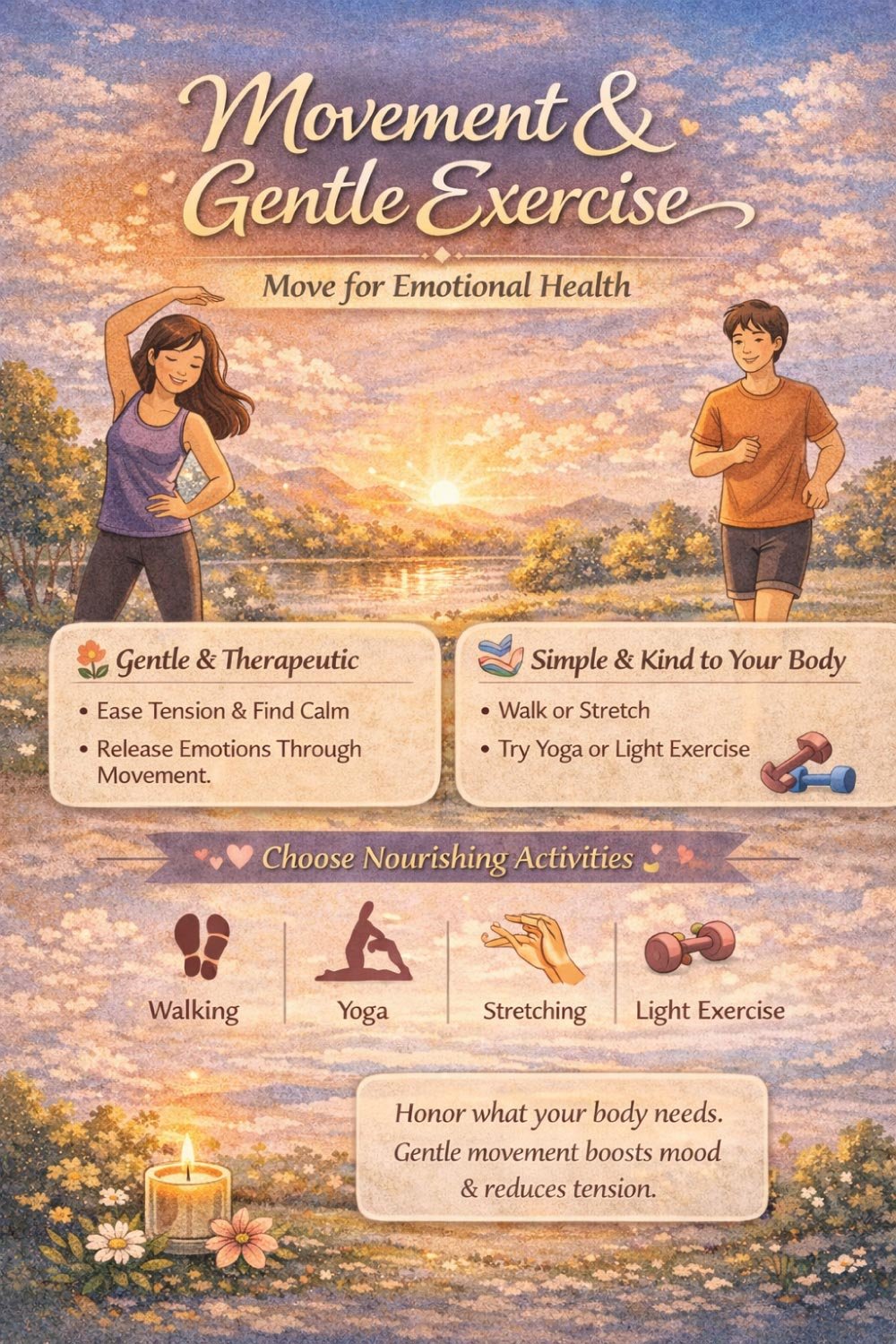
Physical movement is closely connected to emotional health. When emotions are stuck, the body often holds tension. Gentle exercise helps release that tension and supports mental clarity.
You do not need intense workouts to heal. Activities such as walking, stretching, yoga, or light movement can be deeply therapeutic. Movement increases blood flow, releases endorphins, and improves mood naturally.
Choose activities that feel nourishing rather than exhausting. Listen to your body and respect its limits.
Healing benefits of gentle movement:
- Reduces emotional and physical tension
- Improves mood and energy levels
- Supports mind-body connection
- Enhances sleep quality
Even short daily movement can help you feel more grounded and emotionally balanced.
6. Healthy Sleep and Rest
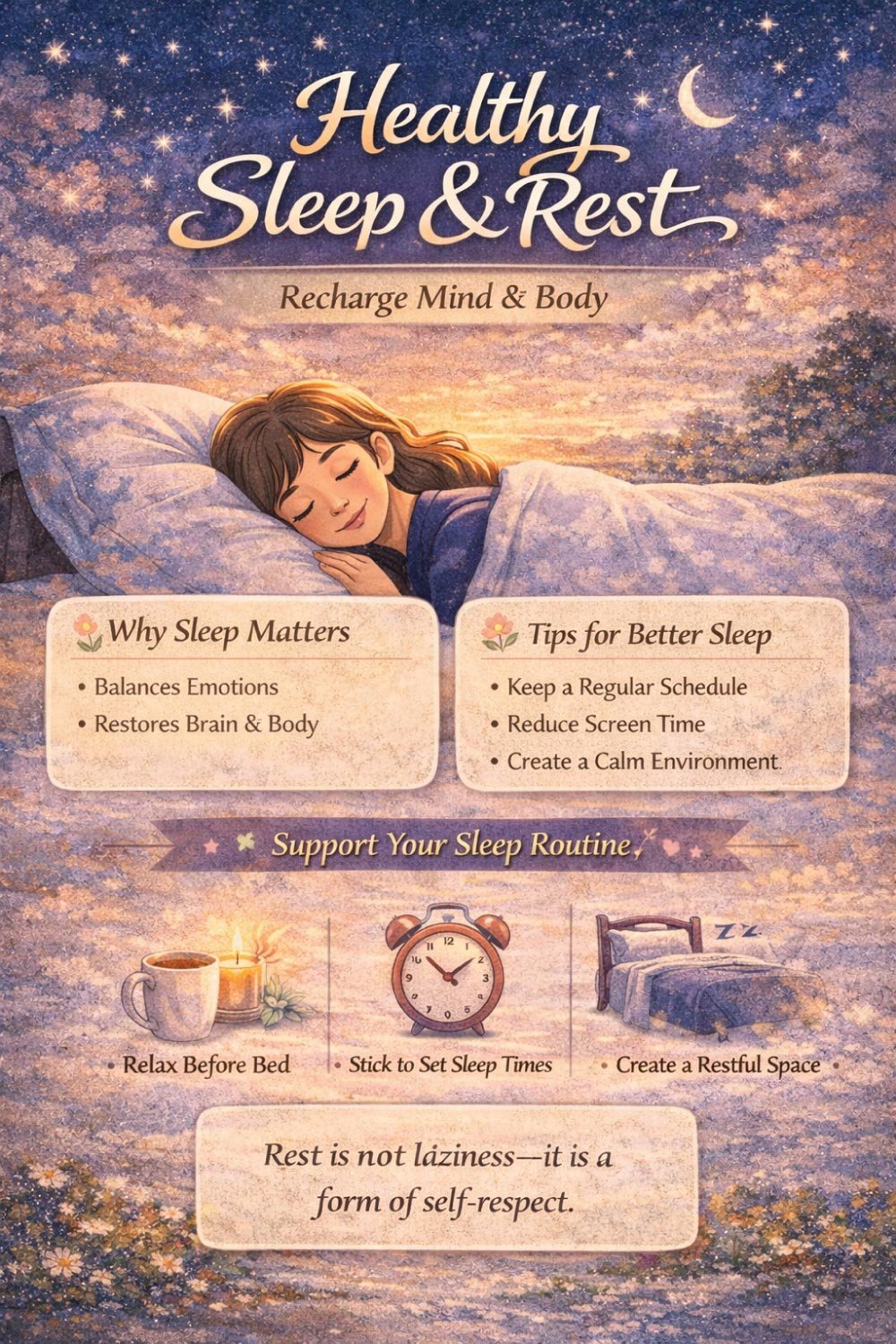
Sleep is one of the most essential yet neglected self-healing practices. Without proper rest, the mind becomes overwhelmed, emotions feel heavier, and healing slows down.
Quality sleep allows the brain to process emotions and restore balance. Creating a calming bedtime routine can significantly improve sleep quality.
Try to maintain a consistent sleep schedule. Reduce screen time before bed and create a peaceful environment. Rest is not laziness—it is a form of self-respect.
Tips for better sleep and rest:
- Go to bed and wake up at the same time
- Avoid heavy meals before sleep
- Practice relaxation before bedtime
- Allow short rest breaks during the day
Rest supports emotional regulation, mental clarity, and physical recovery.
7. Gratitude and Positive Reflection

Gratitude shifts focus from what is missing to what is already present. It does not deny pain, but it creates balance by acknowledging positive moments alongside challenges.
Practicing gratitude daily can transform emotional outlook. Simple reflection helps you recognize growth, strength, and small joys that often go unnoticed.
You can write down three things you are grateful for each day or reflect quietly before sleep. Over time, gratitude trains the mind to notice hope and resilience.
Benefits of gratitude practice:
- Improves emotional resilience
- Reduces stress and negative thinking
- Encourages contentment and peace
- Strengthens emotional healing
Gratitude reminds you that healing is a journey, not a destination.
Final Thoughts: Healing Is a Gentle Process
Self-healing is not about perfection or quick results. It is a gradual and personal journey that requires patience, consistency, and kindness toward yourself. Each small step you take matters.
By practicing mindful breathing, journaling, connecting with nature, showing self-compassion, moving your body, prioritizing rest, and practicing gratitude, you create a strong foundation for emotional and mental well-being.
Healing begins when you choose to care for yourself—one mindful moment at a time.